
Breaking the Silos: Aligning Sales, Marketing and Revenue into One Commercial Unit.
In this REVclass, you'll:
Discover why the future of hospitality success depends on breaking down departmental silos and building one unified commercial strategy. In this practical, one-hour masterclass, you'll learn how Sales, Marketing, and Revenue Management can work together instead of operating independently. Through real-world hospitality examples, you'll understand how aligned commercial teams improve forecasting, increase direct bookings, maximize profitability, and create a seamless guest journey. Whether you're leading a hotel, managing commercial functions, or looking to strengthen cross-functional collaboration, this session provides a practical framework to transform disconnected departments into one high-performing commercial unit.
Watch the preview
A short look at what the session covers and how it is taught.
PREVIEWKey Takeaways from the Session:
- Understand the Unified Commercial Model: Learn how Sales, Marketing, and Revenue Management contribute to a shared commercial strategy and why collaboration drives stronger business performance.
- Break Down Departmental Silos: Identify the common barriers that prevent cross-functional collaboration and discover practical ways to improve communication and decision-making.
- Align Goals, KPIs & Planning: Learn how to create shared objectives, reporting structures, and planning processes that keep every commercial team working toward the same revenue goals.
- Leverage Data for Better Decisions: Understand how combining market intelligence, customer insights, demand forecasts, and campaign performance leads to smarter commercial strategies.
- Drive More Direct Revenue & Profitability: Discover how commercial alignment improves pricing, marketing effectiveness, sales productivity, and guest acquisition while reducing dependency on third-party channels.
This Session Is Most Relevant for:
- Hotel General Managers & Commercial Leaders : looking to create a unified commercial strategy across departments.
- Revenue Managers & Revenue Professionals : wanting stronger collaboration with Sales and Marketing teams.
- Sales Directors & Business Development Managers : aiming to align sales efforts with demand forecasts and pricing strategies.
- Hotel Marketing Managers & Digital Marketing Professionals : seeking to optimize campaigns based on revenue insights and market demand.
- Hotel Owners & Asset Managers : interested in improving profitability through integrated commercial leadership.
- Hospitality Students & Aspiring Commercial Leaders : who want to understand how modern hotel commercial teams operate successfully.
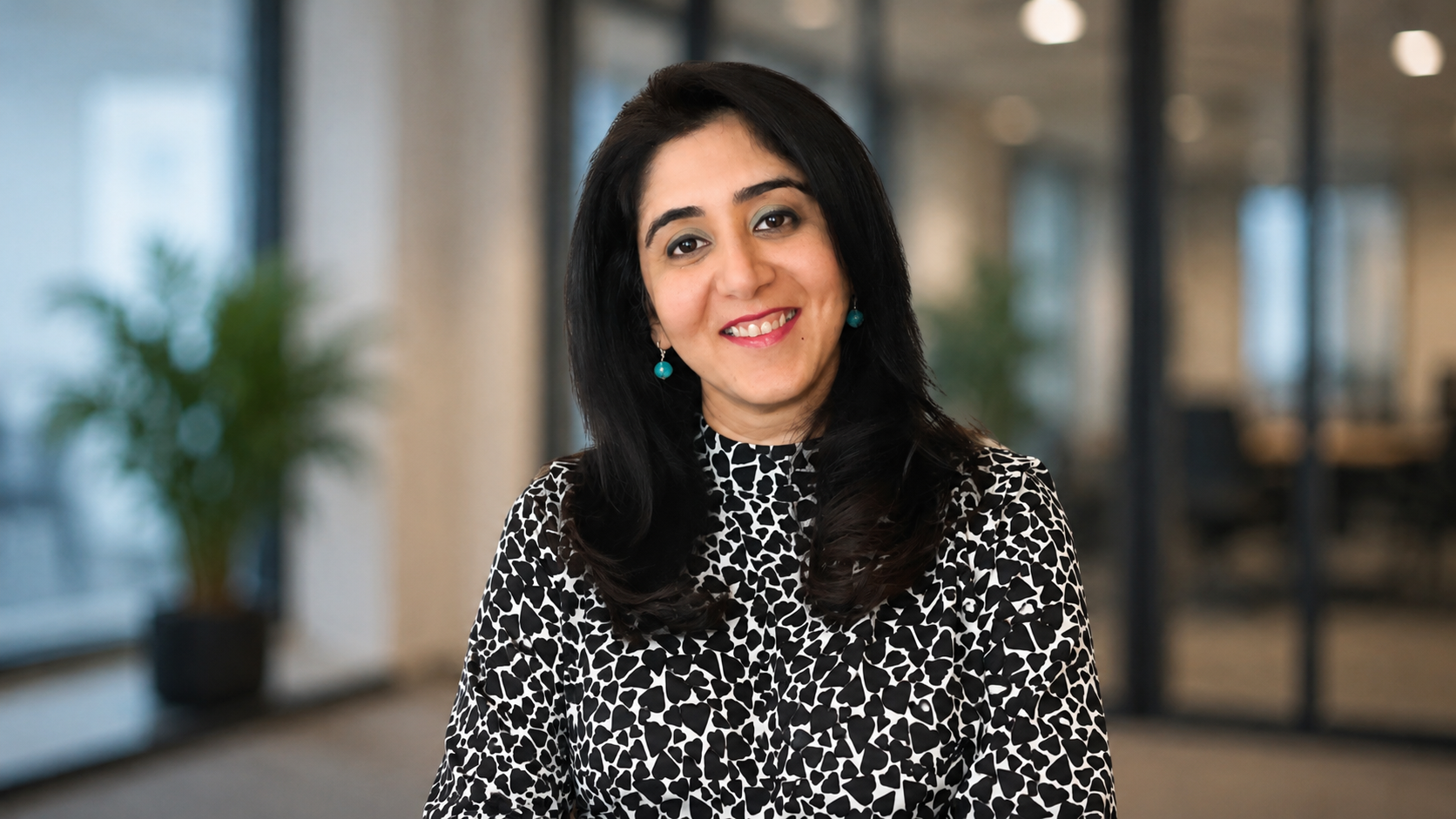
Your Speaker
Certificate
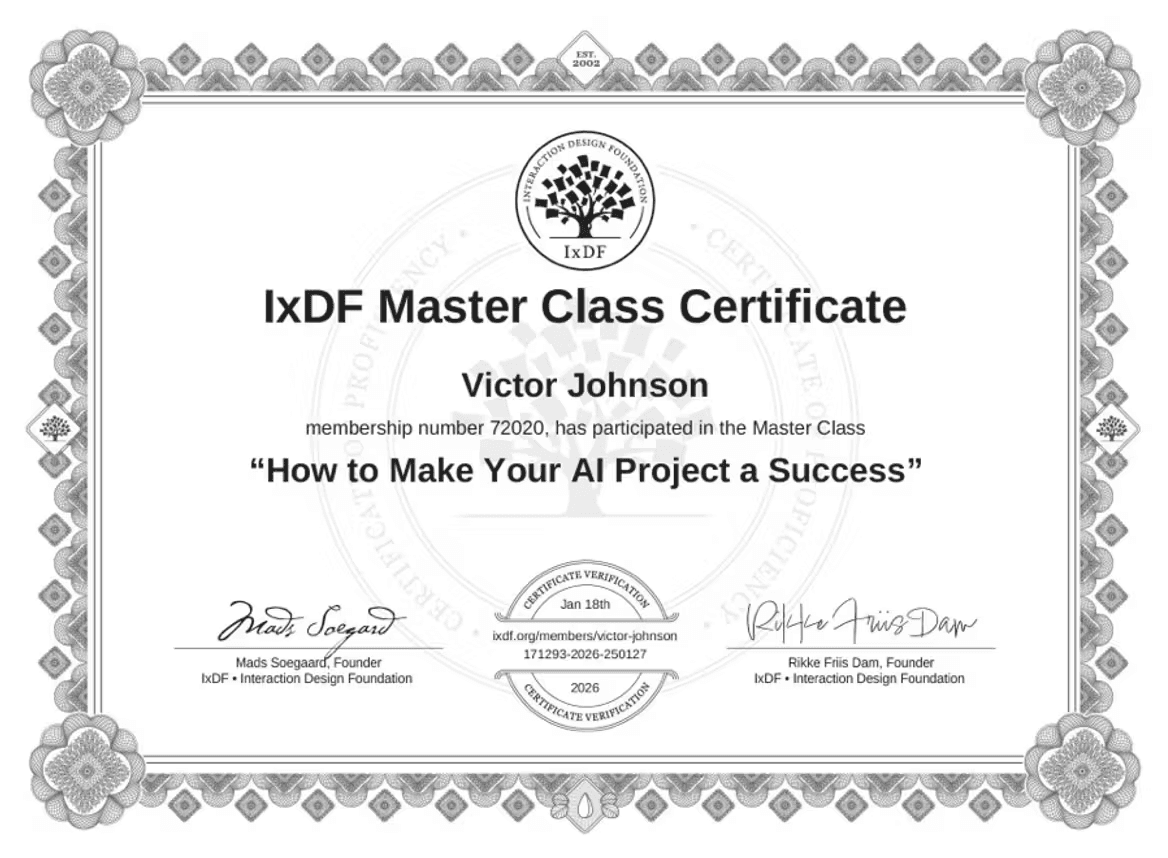
You get an industry-recognized REVacademy Certificate after each Masterclass you complete. It carries your name, the session title, and the date of completion, so it stands on its own as verifiable proof of the work. Add it to your LinkedIn profile and resume to showcase the skills you have gained. Once you meet the attendance or watch-time requirement, it is generated automatically and stays available here for you to download anytime.