
Build a Daily Hotel Forecast Using Pickup and Pace

In this REVclass, you'll:
Learn how to build a practical daily hotel forecast using two of the most important tools in revenue management: Pickup and Pace. In this hands-on session, we break down how revenue managers can move beyond simply looking at current occupancy and start predicting future room demand using booking data, historical performance, and reservation trends.
You will learn how to read your daily pickup, interpret booking pace against previous periods, understand booking windows, and identify whether your hotel is gaining or losing momentum. From analysing on-the-books reservations and comparing current performance with historical patterns to making realistic adjustments based on upcoming demand, this session will help you build a structured daily rooms forecast with clear assumptions. Whether you manage an independent hotel, a branded property, or multiple hotels, you will walk away with a practical approach to forecasting that supports better pricing, inventory, and operational decisions.
Key Takeaways from the Session:
- Understand Pickup and Pace: Learn what pickup and booking pace mean, how they differ, and how to use both metrics to understand the direction of future room demand.
- Read and Interpret Booking Data: Discover how to analyse on-the-books reservations, daily room pickup, cancellations, and booking trends to understand your hotel's current position.
- Understand Booking Windows: Learn how booking lead times influence demand and why different segments, markets, and travel periods follow different booking patterns.
- Build a Daily Rooms Forecast: Understand how to combine current bookings, historical data, expected pickup, and market insights to estimate future room nights and occupancy.
- Make Forecast Adjustments with Confidence: Learn how to identify unusual pickup patterns, account for cancellations and changes in demand, and create realistic forecast assumptions instead of relying on guesswork.
This Session Is Most Relevant for:
- Hotel Revenue Managers & Revenue Executives who want to develop a structured approach to daily forecasting and improve the accuracy of their room demand predictions.
- Independent Hotel Owners & General Managers looking to understand future occupancy, anticipate business levels, and make better commercial and operational decisions.
- Hotel Sales & Reservations Teams who want to understand how booking activity, group enquiries, cancellations, and reservation trends influence the hotel's future performance.
- Front Office & Operations Managers who need reliable occupancy forecasts to plan staffing, room allocation, housekeeping, and daily operations.
- Hotel Commercial & Distribution Teams looking to connect booking trends and demand patterns with pricing, inventory, and channel strategies.
- Hospitality Students & Aspiring Revenue Managers who want to develop practical forecasting skills and understand how real hotel revenue teams predict future performance.
Your Speaker

Certificate
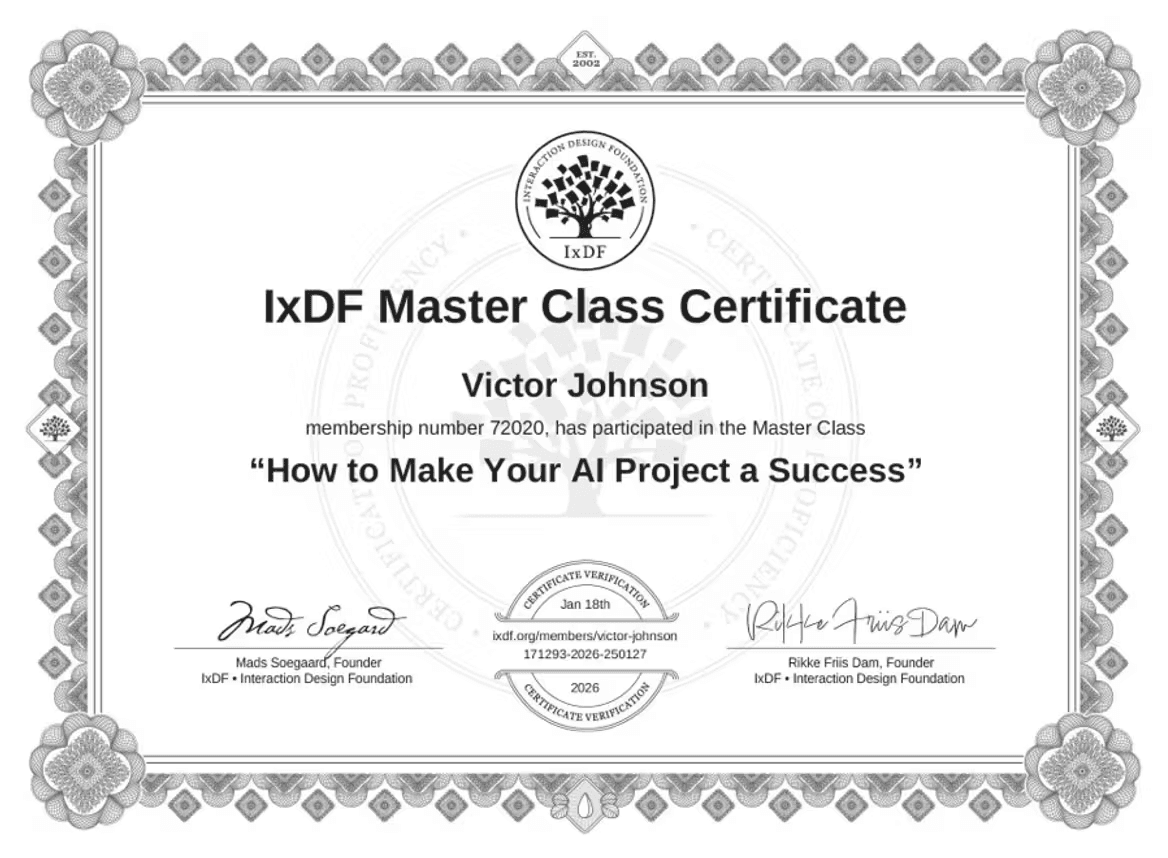
You get an industry-recognized REVacademy Certificate after each Masterclass you complete. It carries your name, the session title, and the date of completion, so it stands on its own as verifiable proof of the work. Add it to your LinkedIn profile and resume to showcase the skills you have gained. Once you meet the attendance or watch-time requirement, it is generated automatically and stays available here for you to download anytime.