
How Hotels Can Lose Everything by Introducing AI Incorrectly – A 5-Step System to Grow Revenue and Profits
In this REVclass, you'll:
Discover how introducing AI without the right strategy can put hotel revenues, profitability, operations, and guest relationships at risk. While AI gives hotels the opportunity to accomplish up to five times more within the same 24 hours, the real advantage lies in knowing how to use it correctly. In this practical session, we explore a five-step system to help hotels introduce AI strategically, improve productivity, make smarter commercial decisions, and drive revenue and profit growth. Learn how to move beyond simply adopting new tools and start using AI to eliminate inefficiencies, strengthen decision-making, and unlock opportunities that traditional ways of working may be missing.
Key Takeaways from the Session:
- Understand the Risks of Incorrect AI Implementation: Discover how introducing AI without a clear strategy can lead to poor decisions, operational inefficiencies, revenue losses, and damage to guest trust.
- The 5-Step System for AI Adoption: Learn a structured five-step approach to introduce AI into hotel businesses and make technology work towards measurable business outcomes.
- Achieve 5X Productivity in the Same 24 Hours: Explore how AI can help hotel teams accomplish more in less time by automating repetitive tasks, simplifying workflows, and improving efficiency.
- Use AI to Grow Revenue and Profits: Identify opportunities to leverage AI for better commercial decisions, improved resource utilization, and stronger financial performance.
- Turn AI into a Competitive Advantage: Understand how to integrate AI into existing hotel processes without losing human judgement, operational control, or the personal touch that hospitality depends on.
This Session Is Most Relevant for:
- Hotel Owners & General Managers who want to understand the business impact of AI and use it to improve productivity, revenue, and profitability.
- Hotel Revenue Managers & Commercial Leaders looking to leverage AI for smarter pricing, forecasting, analysis, and revenue decisions.
- Hotel Sales & Marketing Professionals interested in using AI to improve productivity, customer engagement, and commercial performance.
- Hotel Operations Leaders & Department Heads who want to simplify daily workflows, reduce repetitive tasks, and help their teams achieve more.
- Hospitality Consultants & Technology Professionals supporting hotels with AI adoption, digital transformation, and business improvement.
- Hospitality Students & Aspiring Managers eager to understand how AI is changing hotel businesses and the future of hospitality management.
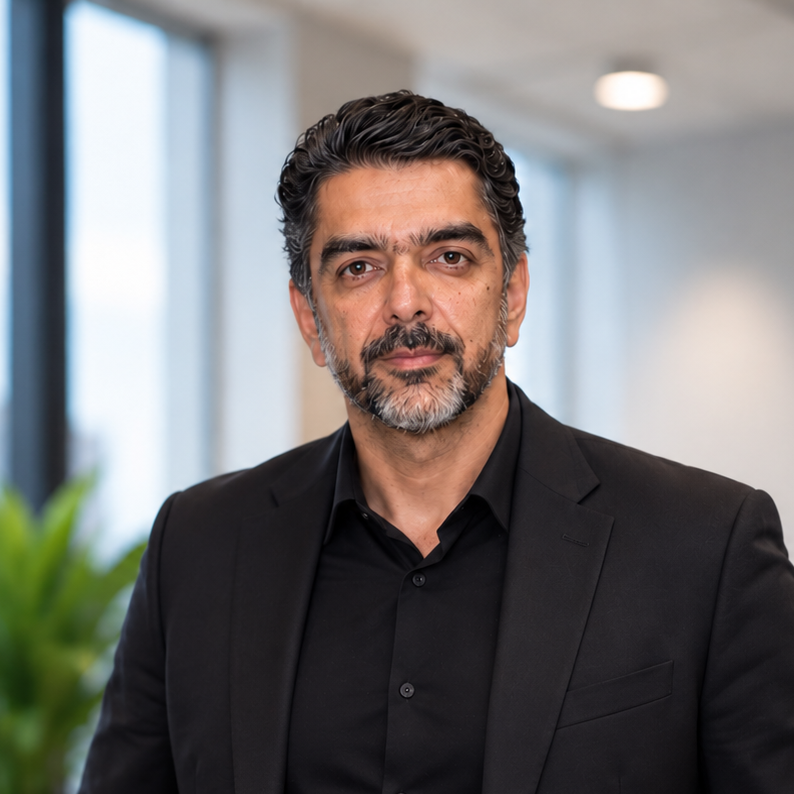
Your Speaker
Certificate
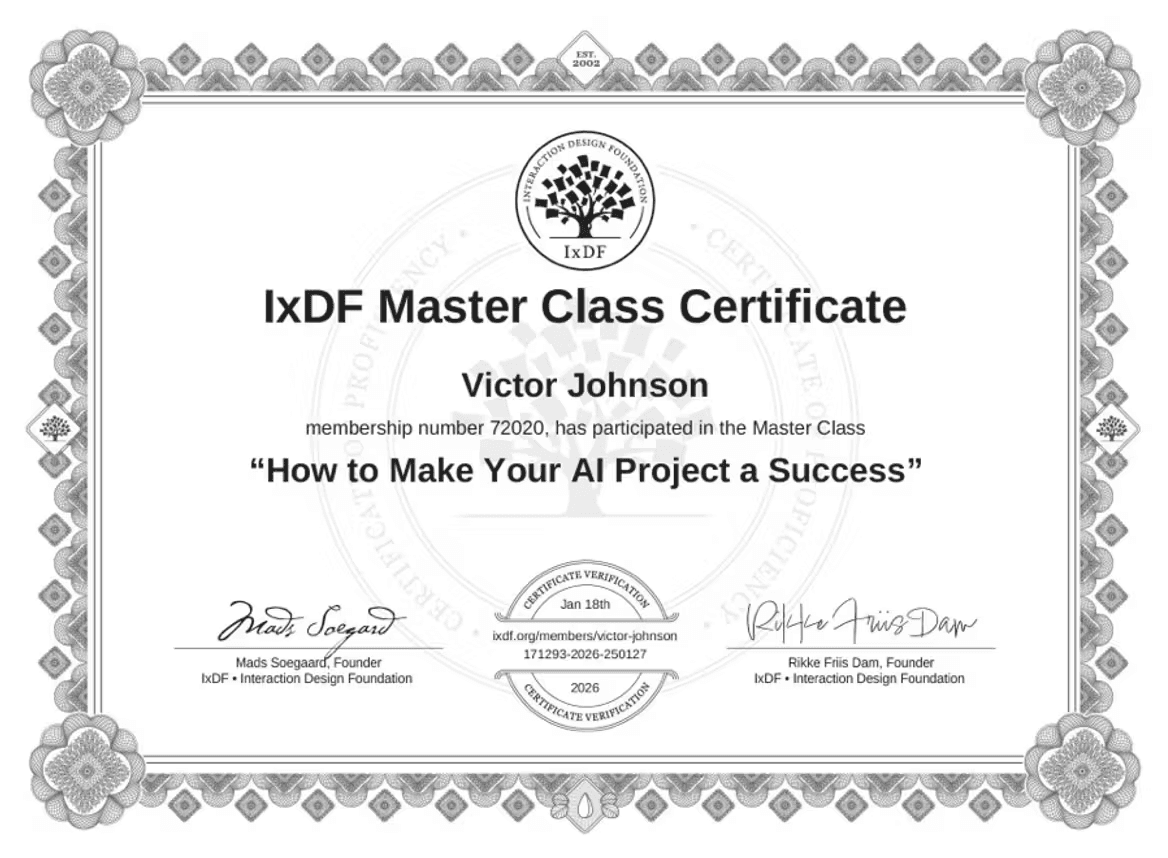
You get an industry-recognized REVacademy Certificate after each Masterclass you complete. It carries your name, the session title, and the date of completion, so it stands on its own as verifiable proof of the work. Add it to your LinkedIn profile and resume to showcase the skills you have gained. Once you meet the attendance or watch-time requirement, it is generated automatically and stays available here for you to download anytime.