
How Hotels Can Use B2B Travel Channels to Build Better Demand

In this REVclass, you'll:
Learn how hotels can use B2B travel channels to create stronger, more consistent, and more profitable sources of demand. In this practical one-hour masterclass, you'll discover how B2B travel agents, tour operators, corporate travel partners, wholesalers, DMCs, and other travel intermediaries can contribute to a hotel's demand strategy and complement direct and OTA channels. Rather than treating B2B partnerships simply as a source of room nights, you'll learn how to evaluate the right partners, structure commercial agreements, manage rates and inventory, and build sustainable relationships that support occupancy and revenue goals. Whether you're a revenue manager, sales professional, hotel owner, commercial leader, or hospitality student, this session provides practical strategies you can implement immediately to strengthen your hotel's B2B demand mix.
Watch the preview
A short look at what the session covers and how it is taught.
PREVIEWKey Takeaways from the Session:
- Understand the Role of B2B Travel Channels: Learn what B2B travel channels actually contribute to a hotel’s distribution strategy, from expanding reach to driving incremental demand.
- Unlock New Demand Through Partnerships: Discover how strategic B2B partnerships can help hotels access demand segments and geographies that are otherwise difficult to reach directly.
- Rethink Channel Expansion: Understand why simply adding more distribution channels does not always translate into higher bookings, and how to avoid over-distribution pitfalls.
- Choose the Right B2B Channels: Learn how to evaluate and select the most relevant B2B partners based on your market dynamics, target segments, and demand objectives.
- Shift from Distribution to Demand Building: Explore how to move beyond just selling through multiple channels and instead focus on creating stronger, more sustainable demand for your hotel.
This Session Is Most Relevant for:
- Hotel Revenue Managers & Revenue Professionals: Looking to integrate B2B travel demand into their overall revenue strategy while protecting rate integrity and profitability.
- Hotel Sales & Business Development Teams: Seeking practical ways to identify, acquire, manage, and grow valuable B2B travel partnerships.
- Hotel Owners & General Managers: Wanting to diversify their demand sources and reduce overdependence on any single distribution channel.
- Corporate Sales, Reservations & E-commerce Teams: Interested in understanding how B2B partnerships influence bookings, inventory, pricing, and commercial performance.
- Independent Hotels & Boutique Properties: Looking for cost-effective ways to access new markets and customer segments through strategic travel partnerships.
- Hospitality Students & Aspiring Professionals: Eager to understand how B2B travel distribution works and how hotels build demand through travel industry partnerships.
Your Speaker

Certificate
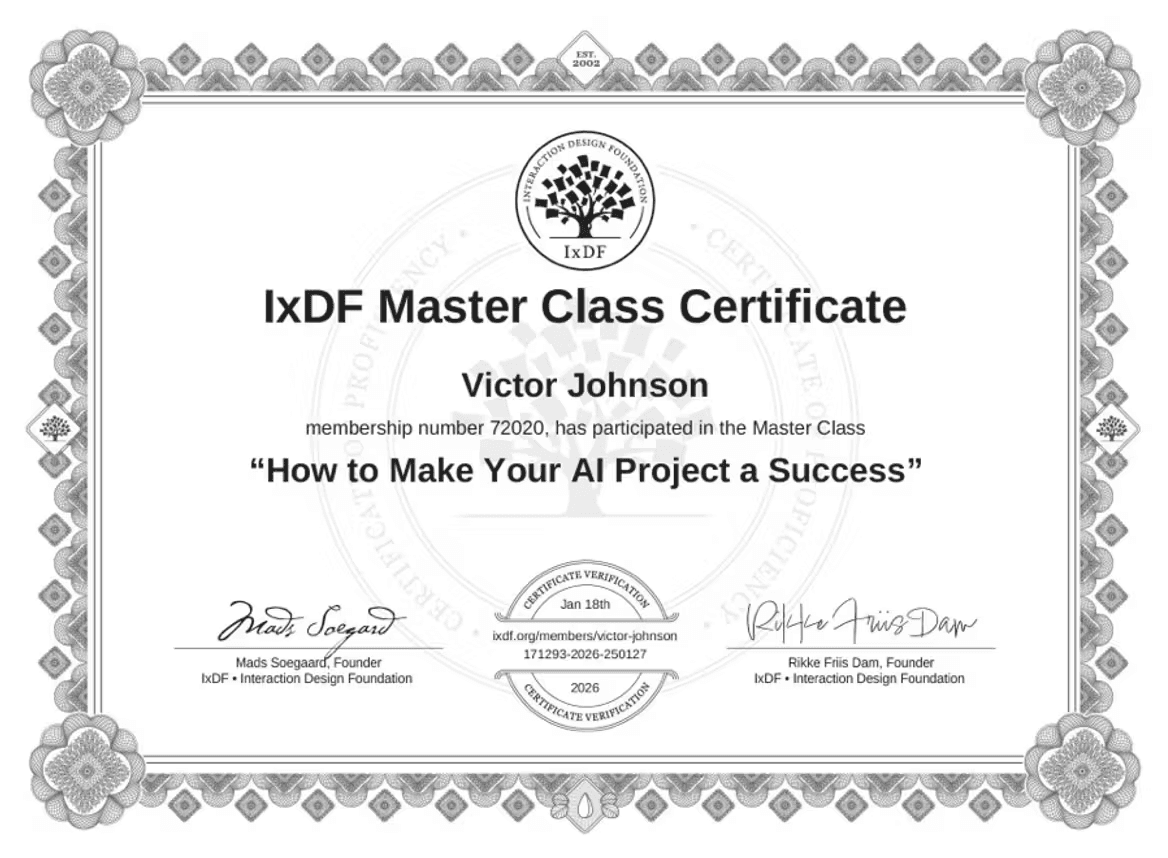
You get an industry-recognized REVacademy Certificate after each Masterclass you complete. It carries your name, the session title, and the date of completion, so it stands on its own as verifiable proof of the work. Add it to your LinkedIn profile and resume to showcase the skills you have gained. Once you meet the attendance or watch-time requirement, it is generated automatically and stays available here for you to download anytime.