
How to Structure a Revenue Meeting That Leads to Better Decisions
In this REVclass, you'll:
Learn how to design and run revenue meetings that drive smarter commercial decisions instead of becoming routine reporting sessions. In this practical one-hour masterclass, you'll discover how to prepare the right data, engage the right stakeholders, and create a structured meeting agenda that aligns revenue, sales, marketing, and operations. Whether you're leading revenue meetings for a hotel, resort, or hospitality business, this session provides practical frameworks to improve collaboration, accountability, and business performance.
Watch the preview
A short look at what the session covers and how it is taught.
PREVIEWKey Takeaways from the Session:
- Build an Effective Revenue Meeting Agenda: Learn how to structure meetings that focus on insights, actions, and measurable outcomes.
- Use the Right Performance Metrics: Identify the KPIs and commercial data that support informed revenue decisions.
- Improve Cross-Department Collaboration: Align Revenue, Sales, Marketing, Reservations, and Operations around common business goals.
- Turn Insights into Action: Develop clear action plans, assign ownership, and ensure accountability after every meeting.
- Avoid Common Revenue Meeting Mistakes: Recognize and eliminate practices that waste time and delay decision-making.
This Session Is Most Relevant For:
- Revenue Managers & Revenue Directors looking to improve the effectiveness of their revenue meetings.
- General Managers seeking stronger commercial collaboration across departments.
- Sales & Marketing Leaders wanting better alignment with revenue strategies.
- Reservations & Front Office Managers involved in forecasting and demand management.
- Hotel Owners & Commercial Leaders aiming to improve decision-making and business performance.
- Hospitality Students & Aspiring Revenue Professionals interested in learning best practices in commercial leadership.
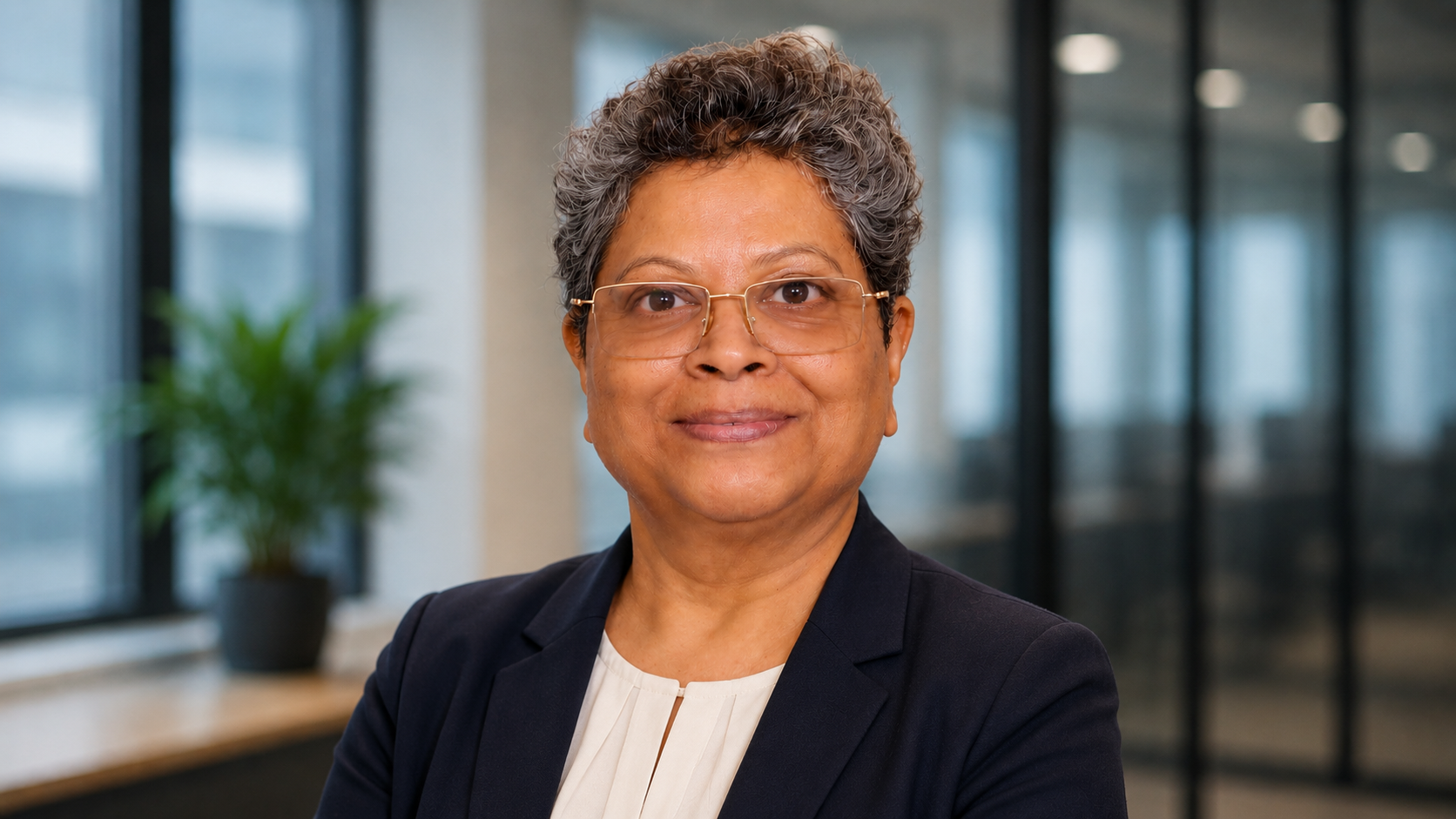
Your Speaker
Certificate
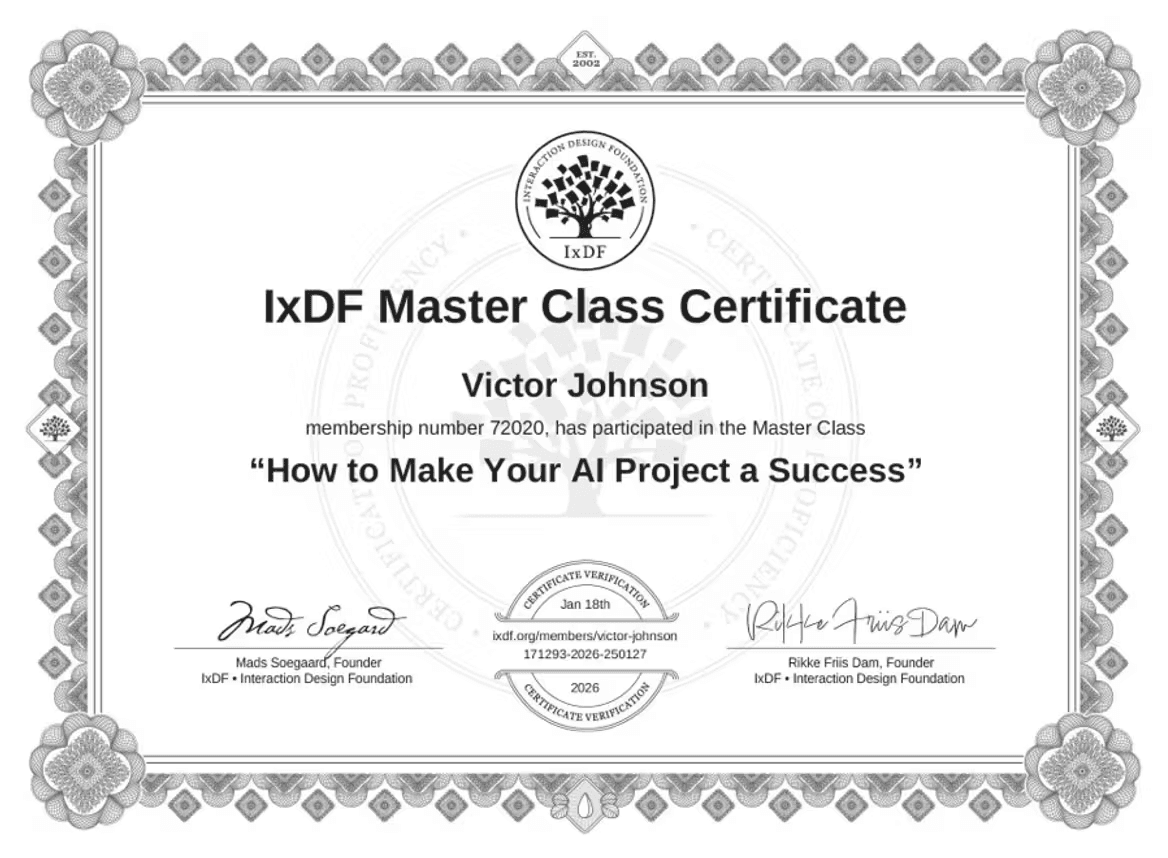
You get an industry-recognized REVacademy Certificate after each Masterclass you complete. It carries your name, the session title, and the date of completion, so it stands on its own as verifiable proof of the work. Add it to your LinkedIn profile and resume to showcase the skills you have gained. Once you meet the attendance or watch-time requirement, it is generated automatically and stays available here for you to download anytime.