
Revenue Strategy
How commercial decisions actually get made, from meeting structure to the numbers that should drive them.
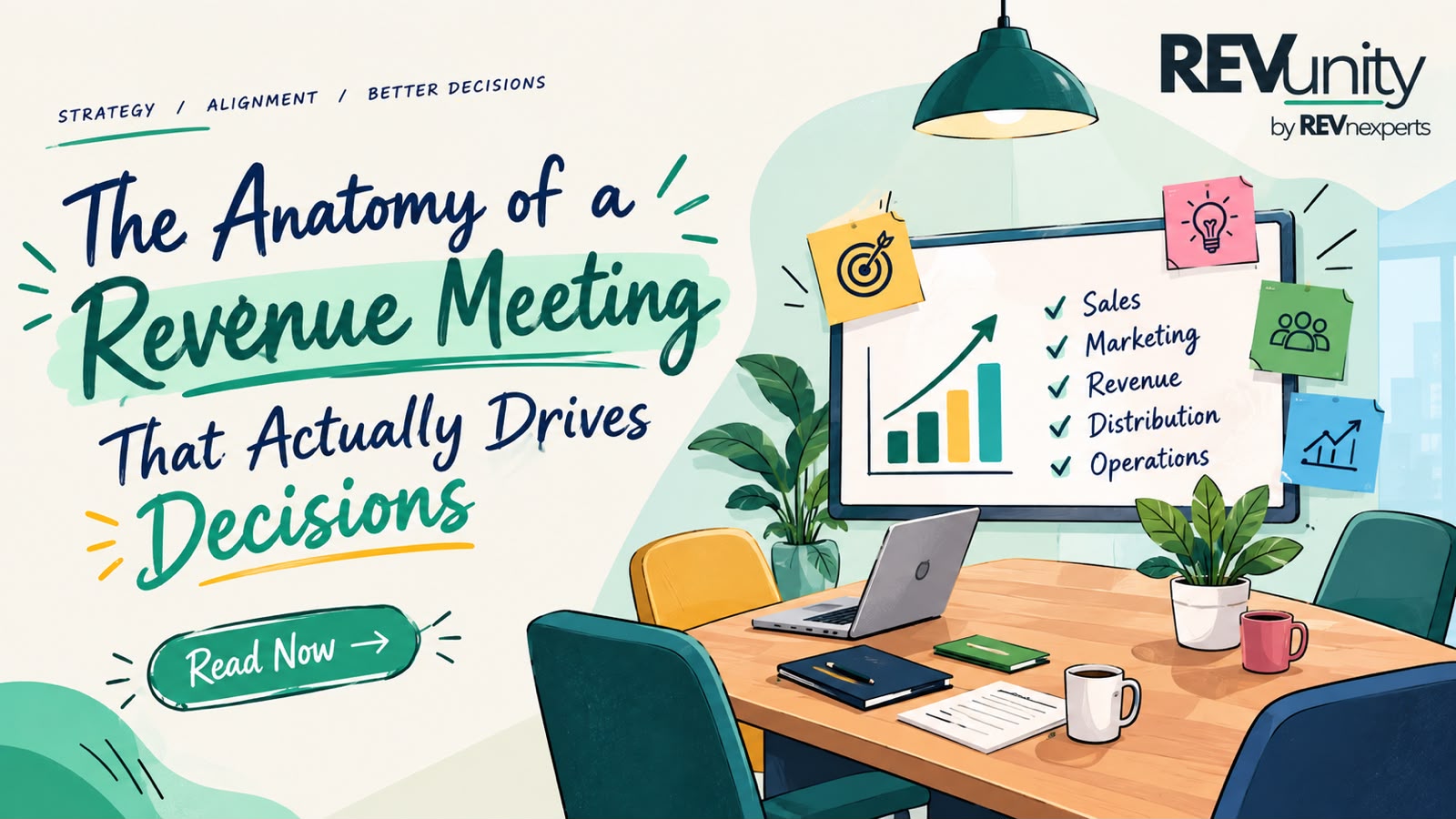
The Anatomy of a Revenue Meeting That Actually Drives Decisions
A revenue meeting drives decisions when it has three things in place before anyone sits down, a focused agenda tied to one commercial goal, pre-shared data so the room debates decisions instead of numbers, and cross-departmental input so no single team optimizes at the expense of total hotel revenue. Meetings that skip any of these three become status updates, not decision-making forums. The numbers are usually right there, pace reports, pickup, comp set data, forecast variance. What's missing is a structure that turns that data into a decision, an owner, and a deadline before everyone gets back to their desks. Without that structure, revenue meetings quietly become recap sessions: everyone reports what happened, nobody commits to what happens next, and the same issues resurface a month later. Most hotels don't have a revenue problem. They have a revenue meeting problem.

Commercial Unit or Commercial Chaos? A Hotel's Self-Diagnosis Guide
Most hotels don't have a commercial strategy problem. They have a commercial translation problem, three departments technically rowing toward the same P&L, quietly rowing in three different directions. Nobody sabotages anybody on purpose. Sales isn't trying to undercut revenue's rate strategy, and marketing isn't trying to promote dates revenue is protecting. But intent doesn't show up on a balance sheet , outcomes do. And the outcome, more often than not, is a hotel that hit every departmental target and still missed budget. So before you reach for a new dashboard or a stricter KPI, it's worth asking a more uncomfortable question: is this actually a unit, or just a very well-organized case of chaos?
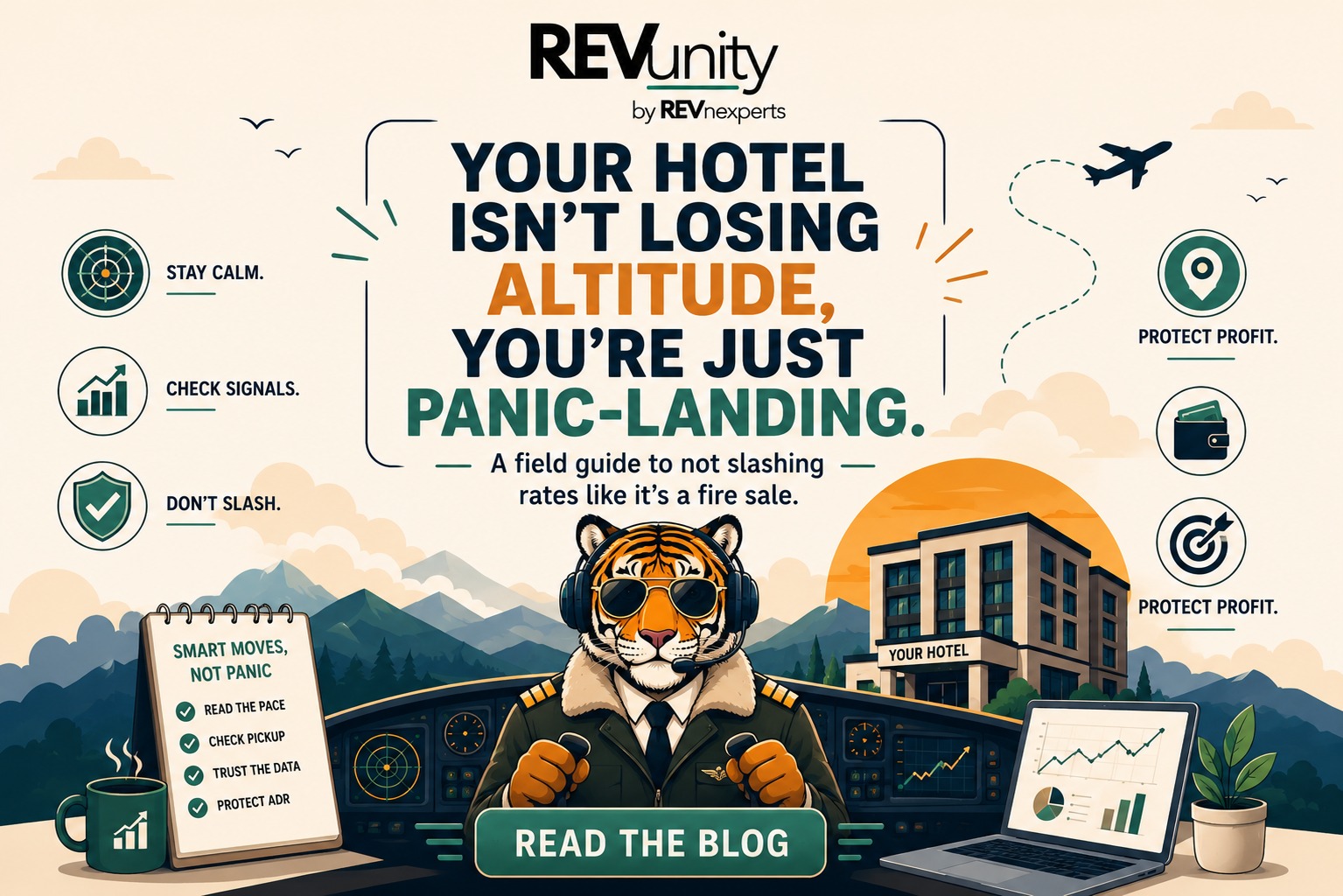
Your Hotel Isn't Losing Altitude, You're Just Panic Landing. A field guide to not slashing rates like it's a fire sale
Soft pickup on a Tuesday isn't turbulence, it's an emergency. Or at least that's how most revenue teams treat it, reaching for a rate cut the second demand looks quiet. This piece makes the case for a different instinct: treat your rate like altitude, not a brake pedal. Before touching the public Best Flexible Rate, there's a 5 level "Protection Ladder" worth climbing first, visibility fixes, targeted offers, value bundling, and opaque channels, each one protecting revenue before you touch the number every OTA can see. The real point: every unnecessary rate cut trains your best guests to just wait you out next time. Read on for the full ladder (and why your best pilots never panic at 50,000 feet).
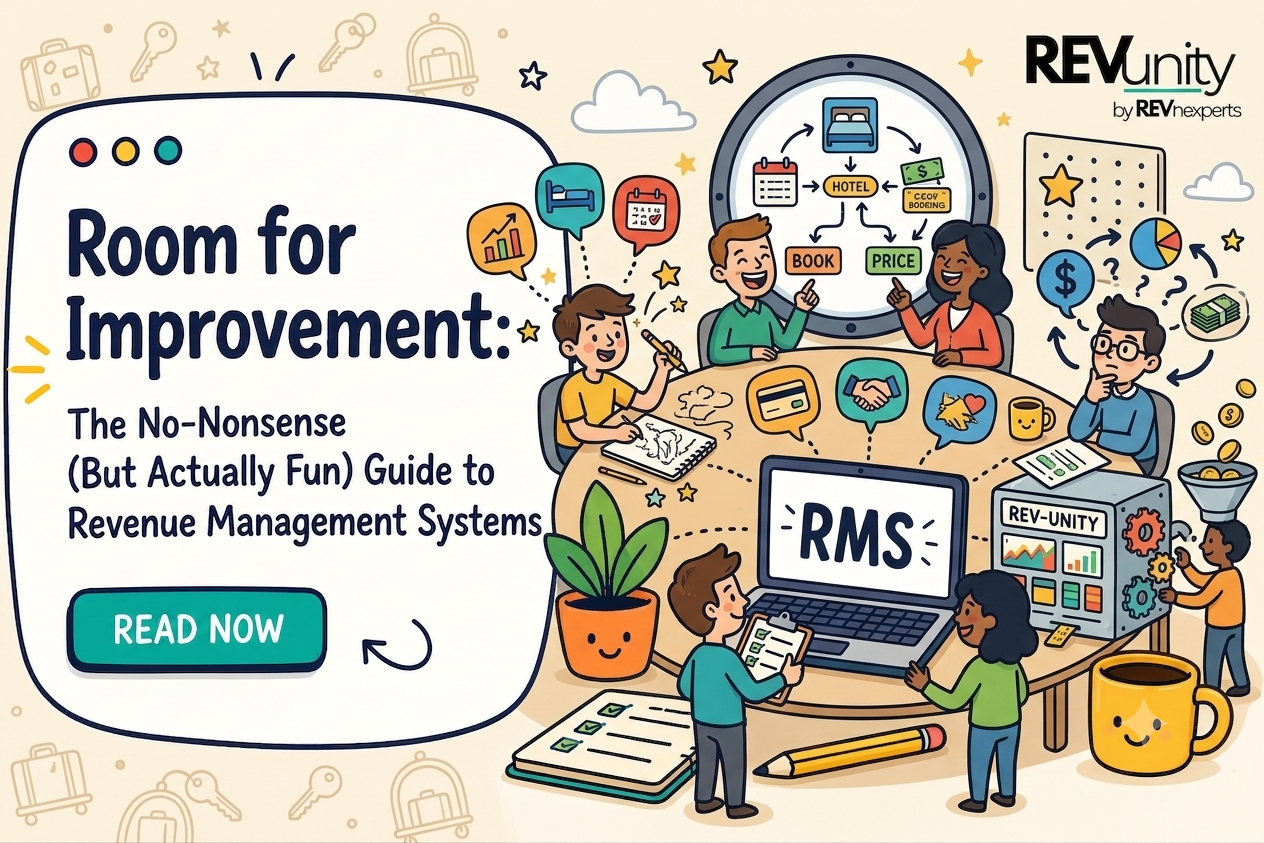
Room for Improvement: The No-Nonsense (But Actually Fun) Guide to Revenue Management Systems
Quick test: if a new front desk hire cornered you and asked "what does an RMS actually do?" could you answer in one sentence, or would you start waving your hands and saying "it's complicated"? No judgment. A lot of revenue managers use their RMS every single day without ever fully unpacking what's happening under the hood. So let's fix that properly, and without the boring textbook voice.
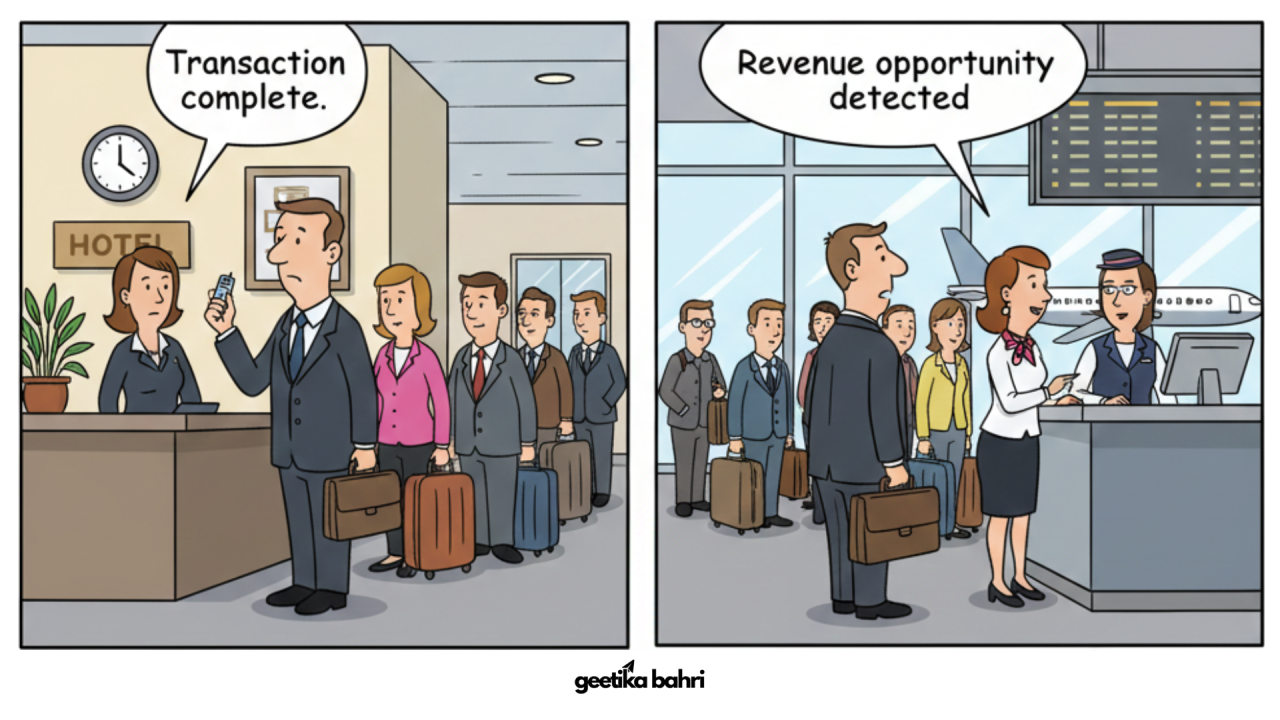
The Tale of Two Counters: After the Booking, Where Hotel Revenue Is Really Won
I wrote about a common problem many hotels face in my last newsletter: they have high occupancy, but they rely too much on online travel agencies (OTAs). It's simple, though: OTAs clearly help people find hotels, but fighting this reality won't help your profit. Today, I want to discuss what I see happen after a guest books a room. Last week, I watched a guest check in who had booked through an OTA. The process was fast, but it was purely transactional and offered no upsells or engagement. A few hours before that at the airport, I was offered a discounted business class upgrade, and when I declined, they offered me a better seat than the one I had. Both experiences involved routine interactions and long lines, but only one was set up to encourage upselling. Today, I want to discuss what I see happen after a guest books a room.

Independent Agility or Branded Strength Where Does Revenue Really Grow?
Think of a busy weekend in your city. A big cricket match, a wedding season, or a sudden conference has hotels buzzing with demand.

The ₹99,999 mistake
Real Revenue Horror Stories Hoteliers Don’t Talk About On Monday morning everything came crashing down. The revenue report showed a loss of almost one lakh rupees. Guests had booked suites at the price of standard rooms. The reason was simple. A wrong mapping on an OTA went unnoticed. What looked like high demand was actually a flood of underpriced bookings. The impact was immediate:

Revenue Reset#2: ARR, RevPAR, TRevPAR, explained like you are 5!
Many hotel operators, despite seeing their properties bustling, especially on weekends, find themselves pondering where the profits truly go. This common conundrum often stems from a lack of clear financial visibility, leading to management based on "feelings" rather than facts.

Revenue Reset #1: What Is Revenue Management and Why Should You Care?
When you run a hotel, stability can feel like success. Rooms filled. Staff in place. Rates set. But sometimes what feels like stability is actually stagnation. That’s where Raj was. Comfortable, familiar, and holding tight to flat pricing because “it has always worked.” But the truth is, in 2025, it doesn’t work anymore. Not when travelers check multiple platforms.

What Coldplay and BookMyShow teach Hotels about competition Readiness
For years, they were the biggest ticketing platform in India. But now, new-age players like Insider were gaining serious ground. With a fresher interface, deeper youth connect, and founder backing from Zerodha, Insider was slowly becoming the platform of choice, especially for indie gigs and newer experiences. BookMyShow could have responded like most legacy companies.

Short-Term Gain vs. Long-Term Game in Revenue Management
A hotel with a regular average rate of ₹10,000 is now selling at ₹55,000 during "Vibrant Gujarat". Yes, this hotel was part of a well know international brand. I wonder, Is this smart revenue management or just a short-term money grab? Can we say, It's the kind of pricing that fills rooms, grabs headlines, and gives everyone a momentary high? But once the crowds disappear, what's left? A boost in top-line revenue or long-term damage to guest trust, reviews, and loyalty?

How Smart Hotels Are Beating the Competition: Without Lifting a Finger!
At the heart of Mumbai's bustling business district stood The Orion Grand, a luxurious five-star hotel renowned for its impeccable service. Yet, behind its grand façade, the hotel's revenue management team struggled with an age-old challenge: pricing volatility.